Useful Information for Tamang Heritage Trek
Trek Difficulty
The Langtang Tamang Heritage Trail Trek is considered easy to moderate. Daily walking hours range from 5 to 7 hours with gradual ascents and descents. It is suitable for beginners, first-time trekkers, and families with good physical fitness.
Maximum Altitude
The highest point of the Tamang Heritage Trek is Nagthali Viewpoint (3,300 meters). Since the altitude is moderate, the risk of altitude sickness is relatively low compared to other high-altitude treks in Nepal.
Best Time to Trek
The best seasons for the Tamang Heritage Trek are:
- Spring (March to May): Rhododendron forests in bloom and clear mountain views
- Autumn (September to November): Stable weather, excellent visibility, and comfortable temperatures
Winter trekking is possible but colder, while monsoon season offers lush scenery with occasional rain.
Accommodation during Tamang Heritage trek
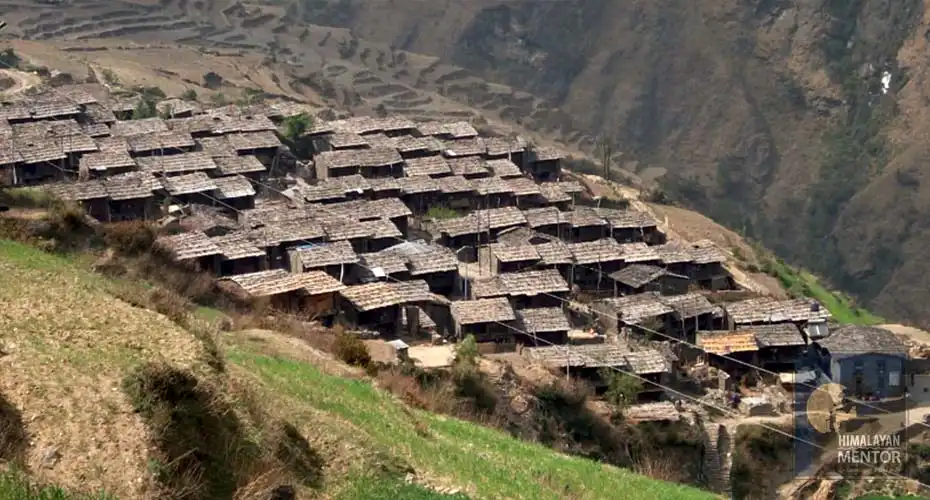
Accommodation along the Tamang Heritage Trail consists of local teahouses and community-run lodges. In villages such as Briddim, trekkers often stay in traditional Tamang-style homes, providing a unique homestay experience.
Meals and Drinking Water
Teahouses provide simple but nutritious meals such as dal bhat, noodles, soups, rice, potatoes, eggs, and Tibetan-style bread. Bottled water is available, but using water purification tablets or filters is recommended to reduce plastic waste.
Guide and Porter for Tamang Heritage Trek
Licensed guide from Himalayan Mentor is highly recommended for cultural understanding, safety, and navigation. A porter can help carry your luggage, making the trek more comfortable and enjoyable.
Fitness and Preparation
No technical skills are required, but good physical fitness is important. Regular walking, hiking, or light cardio exercises before the trek will help you enjoy the trail comfortably.
Cultural Etiquette
The Tamang Heritage Trek passes through traditional villages. Trekkers should:
- Respect local customs and traditions
- Dress modestly in villages and monasteries
- Ask permission before photographing people
Connectivity and Electricity
Mobile network coverage is available in some villages but can be limited. Electricity is generally available for charging devices, often for an additional cost. Carrying a power bank is recommended.
Travel Insurance
Travel insurance is mandatory and should cover trekking up to 3,500 meters, emergency medical treatment, and evacuation.
Why Choose the Tamang Heritage Trek?
The Tamang Heritage Trek is perfect for travelers seeking a less crowded route, rich cultural immersion, scenic Himalayan views, and a moderate trekking experience close to Kathmandu.
Tamang Heritage Trek - Frequently Asked Questions (FAQs)
What is the Tamang Heritage Trek?
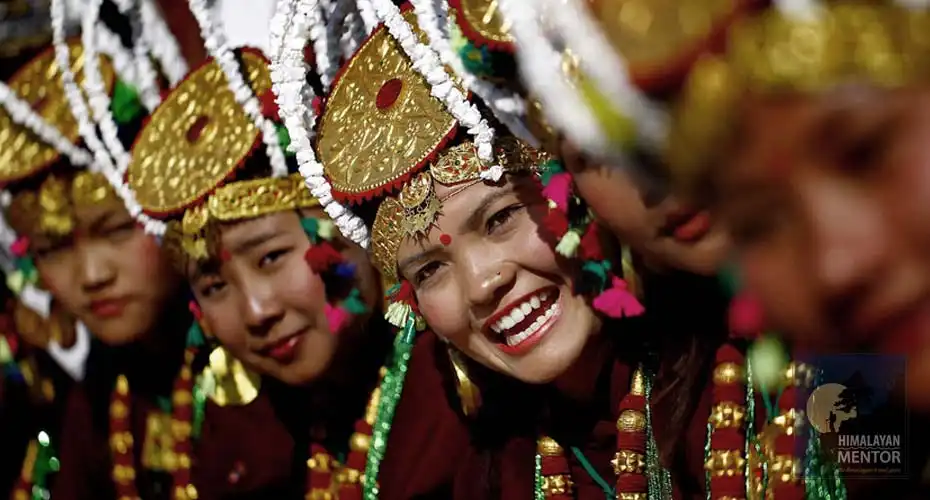
The Tamang Heritage Trek is a cultural trekking route in the Langtang region of Nepal that focuses on the lifestyle, traditions, and villages of the Tamang people. The trek combines scenic Himalayan views, traditional settlements, natural hot springs, and peaceful mountain trails.
Where is the Langtang Tamang Heritage Trail located?
The Langtang Tamang Heritage Trail Trek is located north of Kathmandu in the Langtang region of Nepal, between the Langtang Himal and Ganesh Himal ranges. The trek starts and ends at Syabrubesi, which is accessible by road from Kathmandu.
How difficult is the Tamang Heritage Trek?
The Tamang Heritage Trek is rated easy to moderate. It involves daily walks of 5–7 hours with some uphill and downhill sections. No technical climbing skills are required, making it suitable for beginners with a reasonable fitness level.
What is the best time to do the Tamang Heritage Trek?
The best seasons for the Tamang Heritage Trek are spring (March–May) and autumn (September–November). These months offer clear mountain views, stable weather, and comfortable temperatures. The trek is also possible in winter, though it can be colder at higher elevations.
How long is the Tamang Heritage Trek?
The standard Langtang Tamang Heritage Trail Trek takes 7 days, including driving days from Kathmandu. The itinerary can be shortened or extended depending on your time and whether you combine it with the Langtang Valley Trek.
What mountains can be seen on the Tamang Heritage Trail?
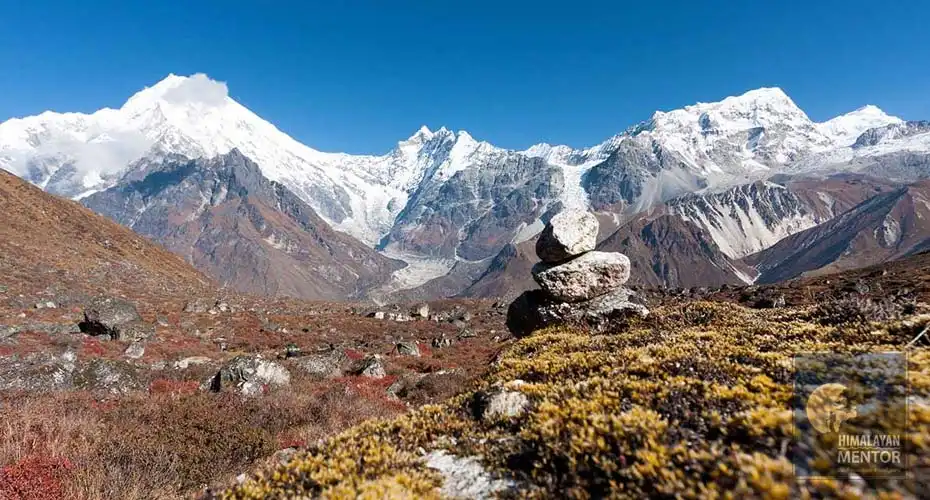
During the trek, you can enjoy stunning views of Ganesh Himal, Langtang Himalayas, Shishapangma, and several surrounding Himalayan peaks, especially from Nagthali Viewpoint.
Is altitude sickness a concern on the Tamang Heritage Trek?
Altitude sickness risk is low on this trek, as the highest point is Nagthali (3,300 m). Proper acclimatization, slow walking, hydration, and following the itinerary help minimize any risk.
What kind of accommodation is available on the Tamang Heritage Trek?
Accommodation along the Tamang Heritage Trail includes local teahouses and community-run lodges. In villages like Briddim, you may stay in traditional Tamang-style homes, offering a homestay-like cultural experience.
Can I combine the Tamang Heritage Trek with the Langtang Valley Trek?
Yes, the Tamang Heritage Trek can be combined with the Langtang Valley Trek, creating a longer and more diverse adventure. This combination adds alpine scenery, glaciers, and higher viewpoints to the cultural experience.
Do I need permits for the Tamang Heritage Trek?
Yes, trekkers need a Langtang National Park Entry Permit and a TIMS (Trekkers’ Information Management System) card to do the Tamang Heritage Trek.
Is the Tamang Heritage Trek suitable for families or first-time trekkers?
Yes, the trek is suitable for first-time trekkers and active families due to its moderate difficulty, lower altitude, comfortable accommodations, and strong cultural focus.
What makes the Tamang Heritage Trek different from other treks in Nepal?
Unlike popular routes such as Everest or Annapurna, the Tamang Heritage Trek offers a less crowded trail with a strong focus on local culture, heritage villages, and community tourism, making it ideal for travelers seeking authentic experiences.
Is a guide required for the Tamang Heritage Trek?
While experienced trekkers can do the trek independently, hiring a licensed local guide is highly recommended to better understand Tamang culture, ensure safety, and support local communities.